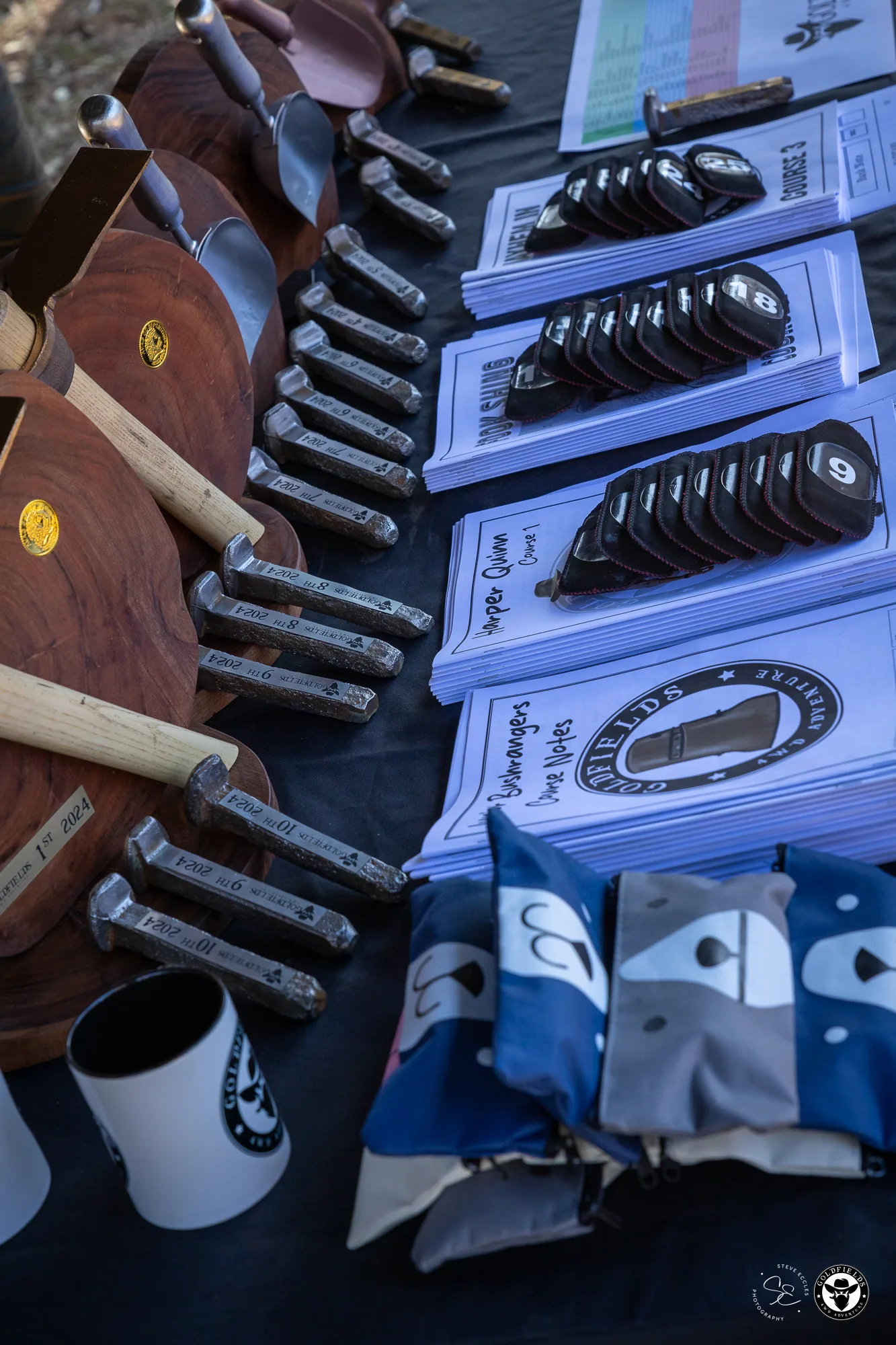
New to 4WDEA events? Everything first-timers want to know before they enter — answered straight.
Not for the Amazing Race. As long as you have a basic understanding of north and south, can read a map, and know how to enter GPS coordinates into a device, you'll have a great start at getting through the courses. Navigation is a skill you build on the day — most first-timers surprise themselves.
Navrun is a step up in technical complexity and rewards teams with prior navigation experience, but it's not exclusive. If you've done an Amazing Race event and want a bigger challenge, Navrun is the natural next step.
It depends on the event:
If you're unsure whether your vehicle is suitable for a specific event, get in touch and we'll give you an honest answer.
As many as you can legally seat in your vehicle. There's no upper limit beyond what your vehicle allows — some teams run two people, others fill every seat. More people usually means more eyes on the map and more fun around camp.
You must have at least a driver — solo entries are permitted.
Absolutely. There is no age limit — kids compete as part of the team and many families make it a regular annual event. The Amazing Race in particular is well suited to families, with a narrative-driven format that keeps younger competitors engaged. Kids often turn out to be the best navigators in the vehicle.
All 4WDEA live events are run under the Cross Country Drivers Association (CCDA) — Victoria's governing body for 4WD navigation motorsport. Membership is required for all competitors on event day.
$75 per year, covers the whole family — your spouse/partner and all dependants under 18 are included on one membership. You don't need it to enter, but you'll need it before you start. Sort it once and it covers every CCDA event across Victoria for 12 months.
As early as you can. Team numbers are limited and events do fill up — particularly the Amazing Race Wimmera at Easter. Early entry also means you have time to sort your CCDA membership, get your gear organised, and not be scrambling the week before a long weekend.
All events are based at a bush campsite chosen to suit the event — everyone camps together on-site. No need to find your own accommodation or commute to a starting point each day.
Campsites are typically remote bush locations without access to town power or water, so come prepared for off-grid camping. Some sites can accommodate caravans — specific details including campsite information are listed on each event page before entries open.
Yes — bring your own tent, sleeping gear, chairs, and anything else you need for the weekend. You're camping in the bush, so come equipped for it.
A good camp setup makes the weekend significantly more enjoyable. Most experienced competitors treat the campsite almost as importantly as the course — it's where the event happens between stages.
Generally, breakfast and a buffet dinner are provided as part of your entry — but this can vary event to event. Check the specific event page for meal details before you enter.
You should bring your own food for the days out on course. Pack snacks, lunch, and anything else you want while you're driving and navigating. A good feed on course makes a real difference to a long day.
It varies by location. Both Amazing Race campsites generally have reasonable coverage, but signal on course can be patchy depending on where you are on the day. Don't rely on it for navigation or communication.
A UHF CB radio is worth having for communication between vehicles and in areas with no signal.
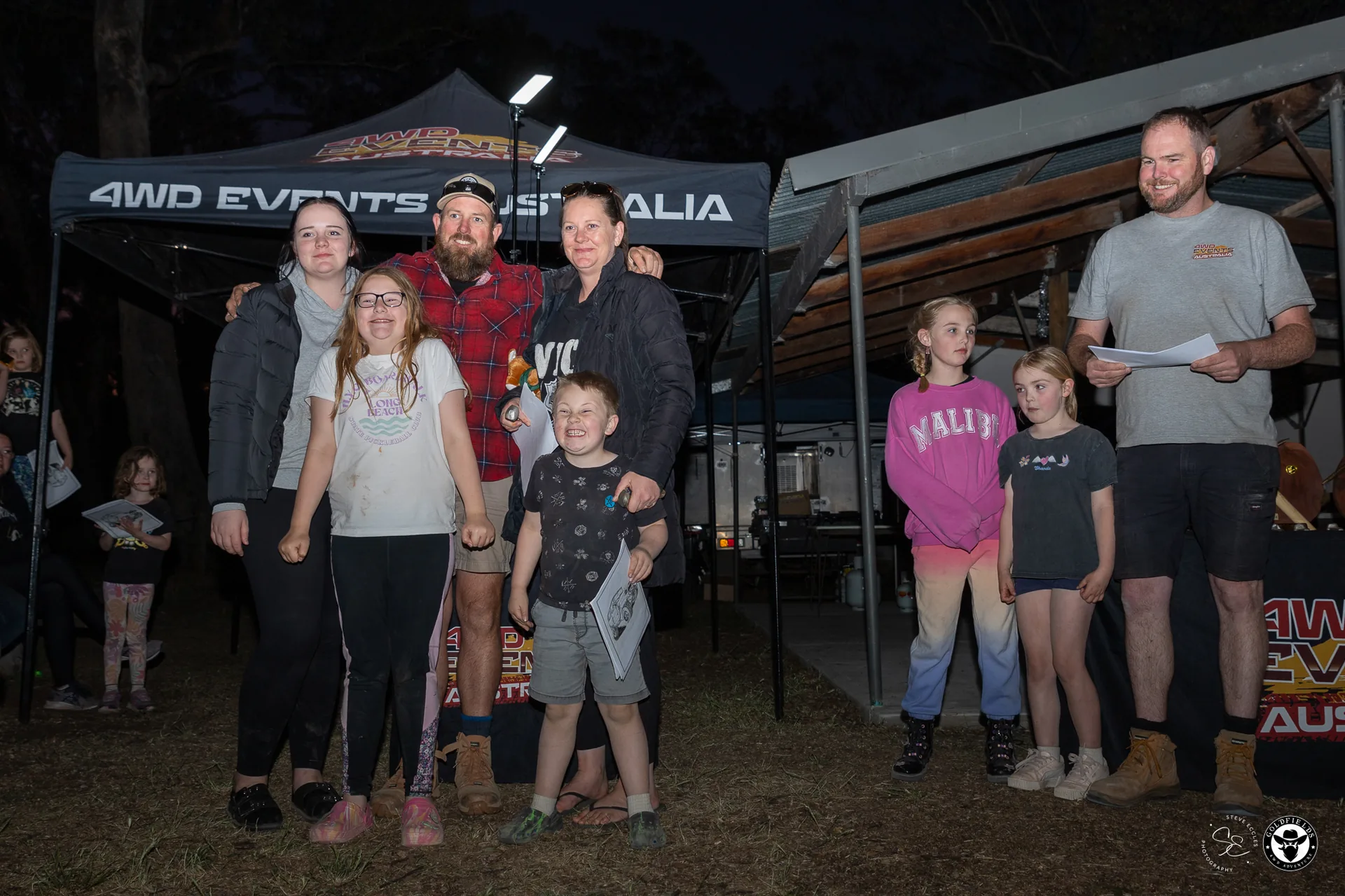
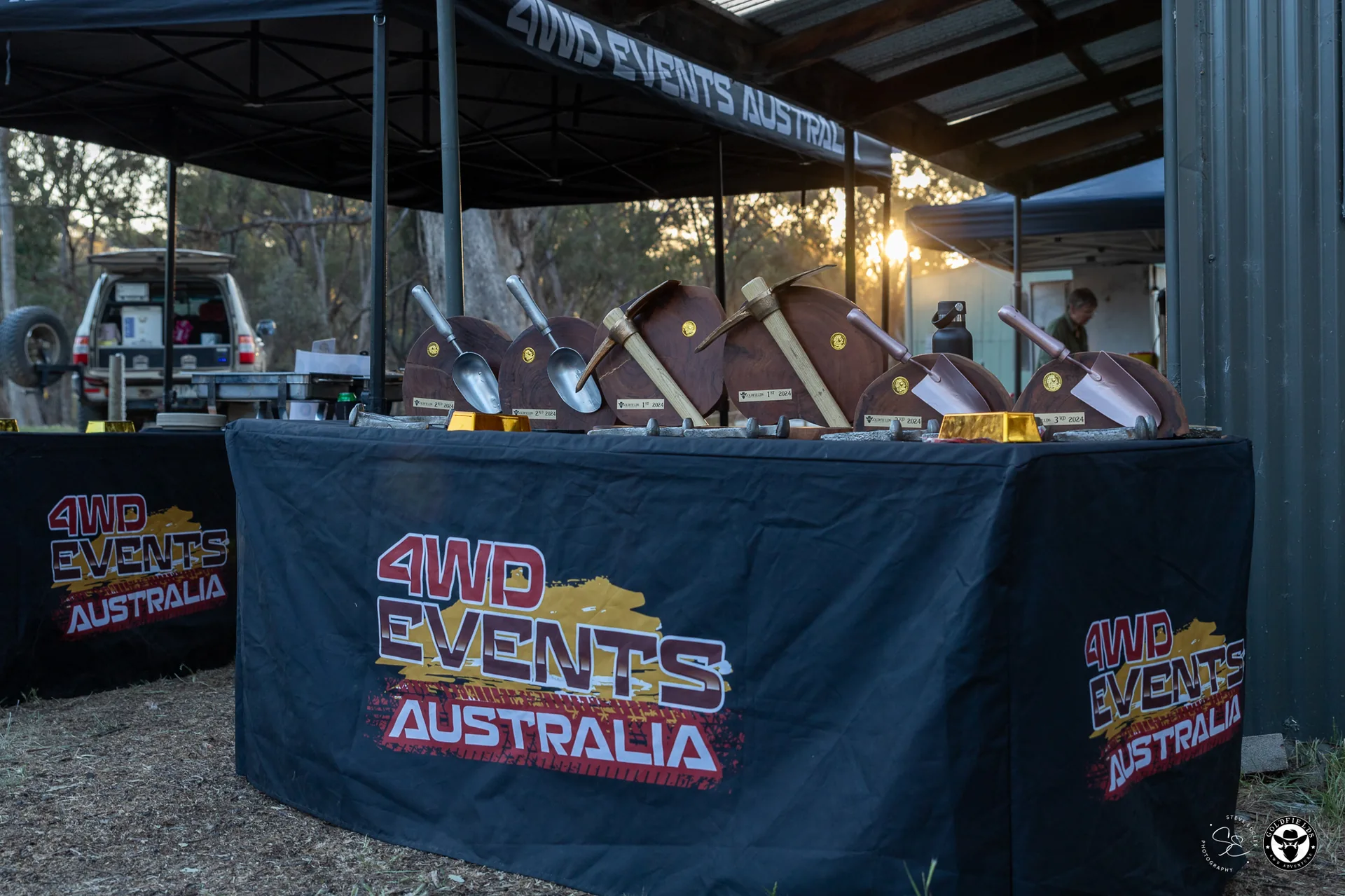
Amazing Race Presentation is held around the campfire after the communal dinner. Bring your chairs. Scores are read out, the event is discussed, and trophies are awarded. It's a proper finish to the weekend — not just a scoreboard update.
Navrun Presentation is held post-event, once competitors have packed up and are ready to head home. Everyone gathers at the admin tent while the top ten are announced and trophies are handed out.
Getting temporarily lost is part of the event — it happens to everyone and is not a reason to panic. All courses are on public tracks and your GPS logger records your position throughout the day.
If you have a mechanical issue or genuine emergency, contact the event organisers via UHF or phone if signal is available. Event-specific emergency contact details are provided at briefing.
Scoring is based on how accurately you answer the questions and complete the waypoints on each day's course. Your GPS log is reviewed to confirm you visited the locations you're claiming, and speed penalties are applied where applicable.
Across a multi-day event, scores are tallied at the end of each day and combined for an overall result. The team with the most points at the end wins — not the fastest, not the most heavily modified vehicle. The best navigators.
Amazing Race Results are tallied at the end of the event and announced at the campfire presentation that evening. You'll know where you finished before you go to bed.
Navrun Results are finalised and presented at the post-event gathering before competitors head home.
Yes. If you believe you answered a question correctly and can back it up, we'll hear your dispute. Bring your evidence, make your case, and we'll make a call on how that question is handled across the entire event — meaning if your dispute is upheld, it applies to everyone who gave the same answer.
We have the GPS data to verify locations and routes. Disputes are taken seriously and handled fairly.
Both are multi-day 4WD navigation events based in Victoria, but they're quite different in style:
Not sure which is right for you? The Amazing Race is the better starting point. Navrun will still be there when you're ready.
If something isn't covered here, just ask. We'd rather answer a question now than have you turn up underprepared.