How The Story Works
The Clues Come
From Everywhere
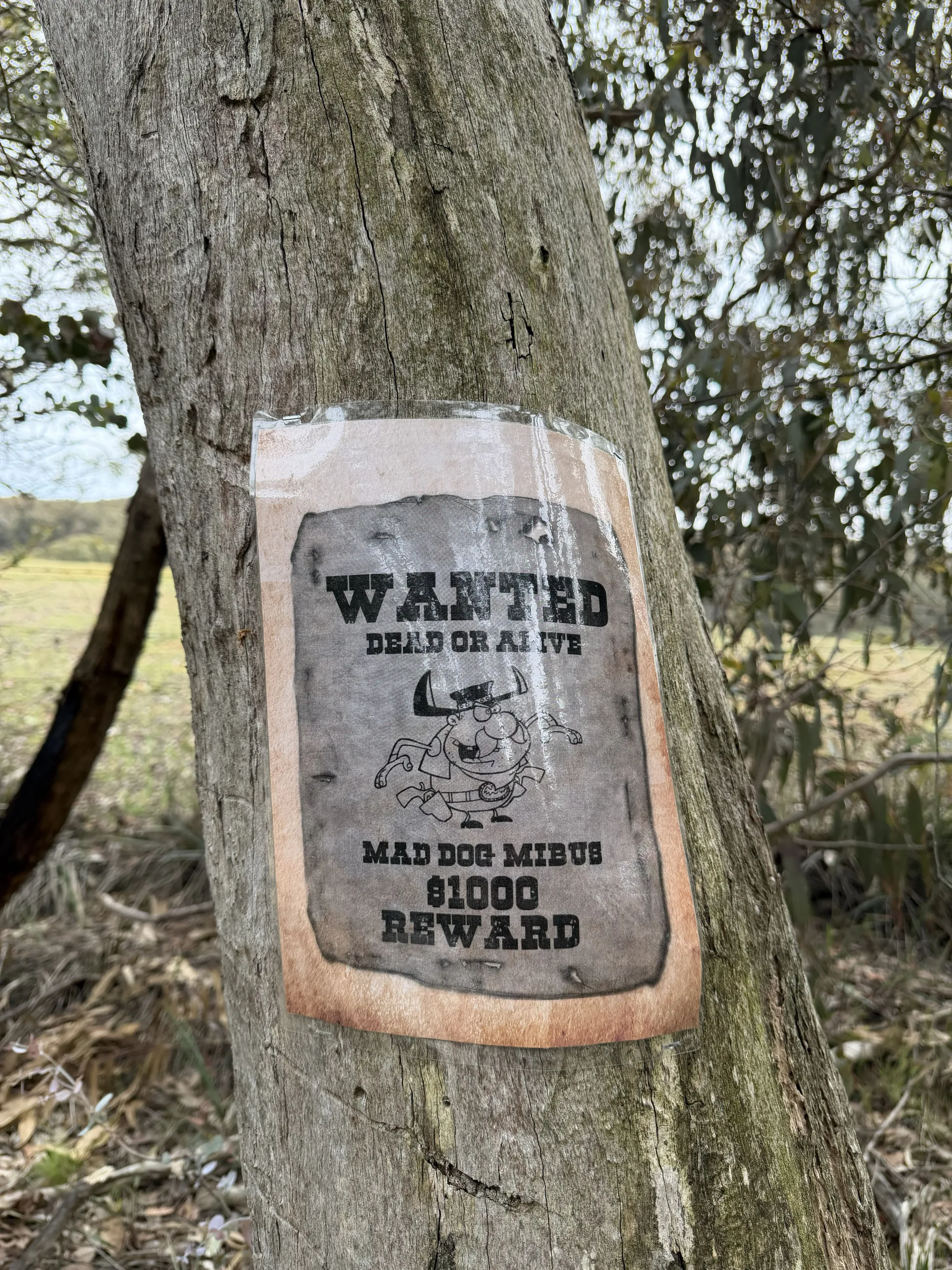
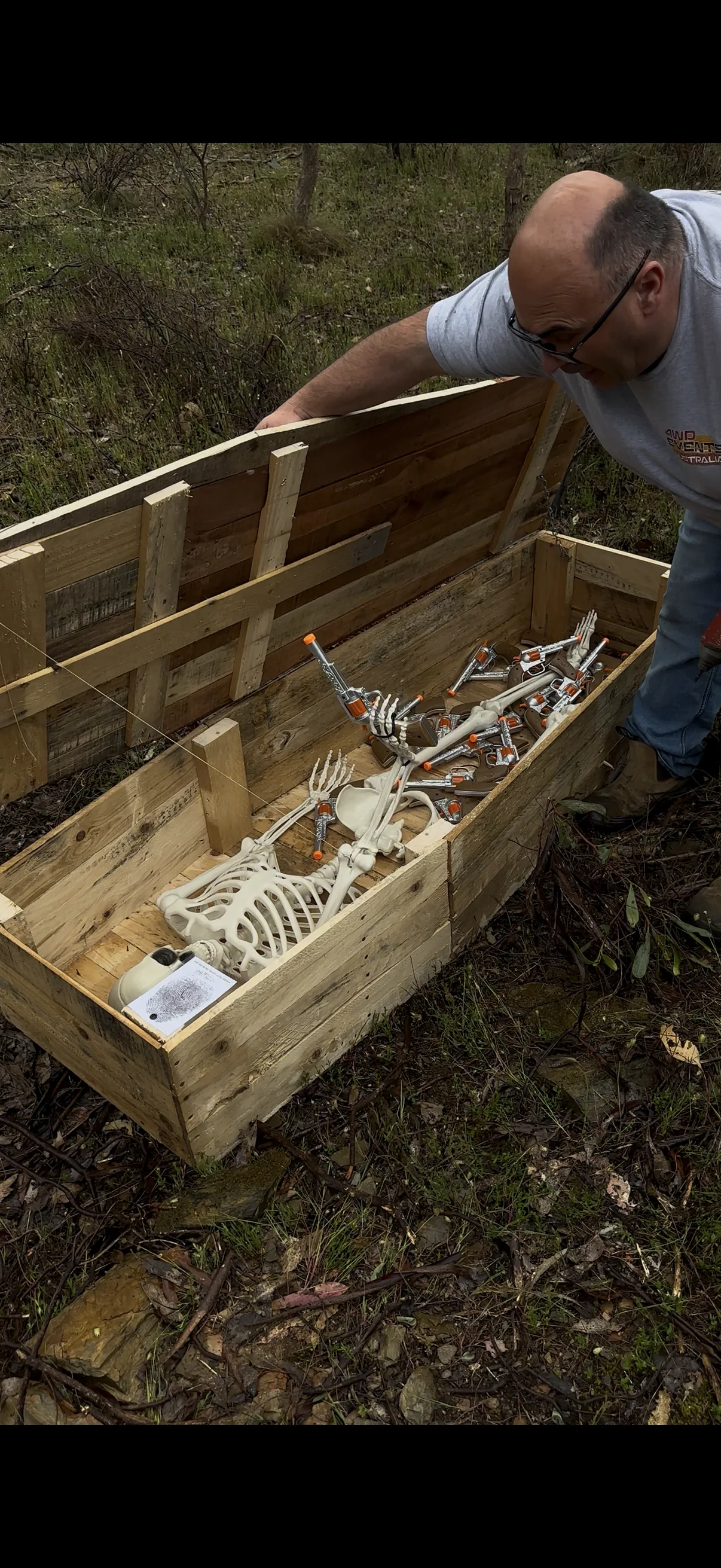
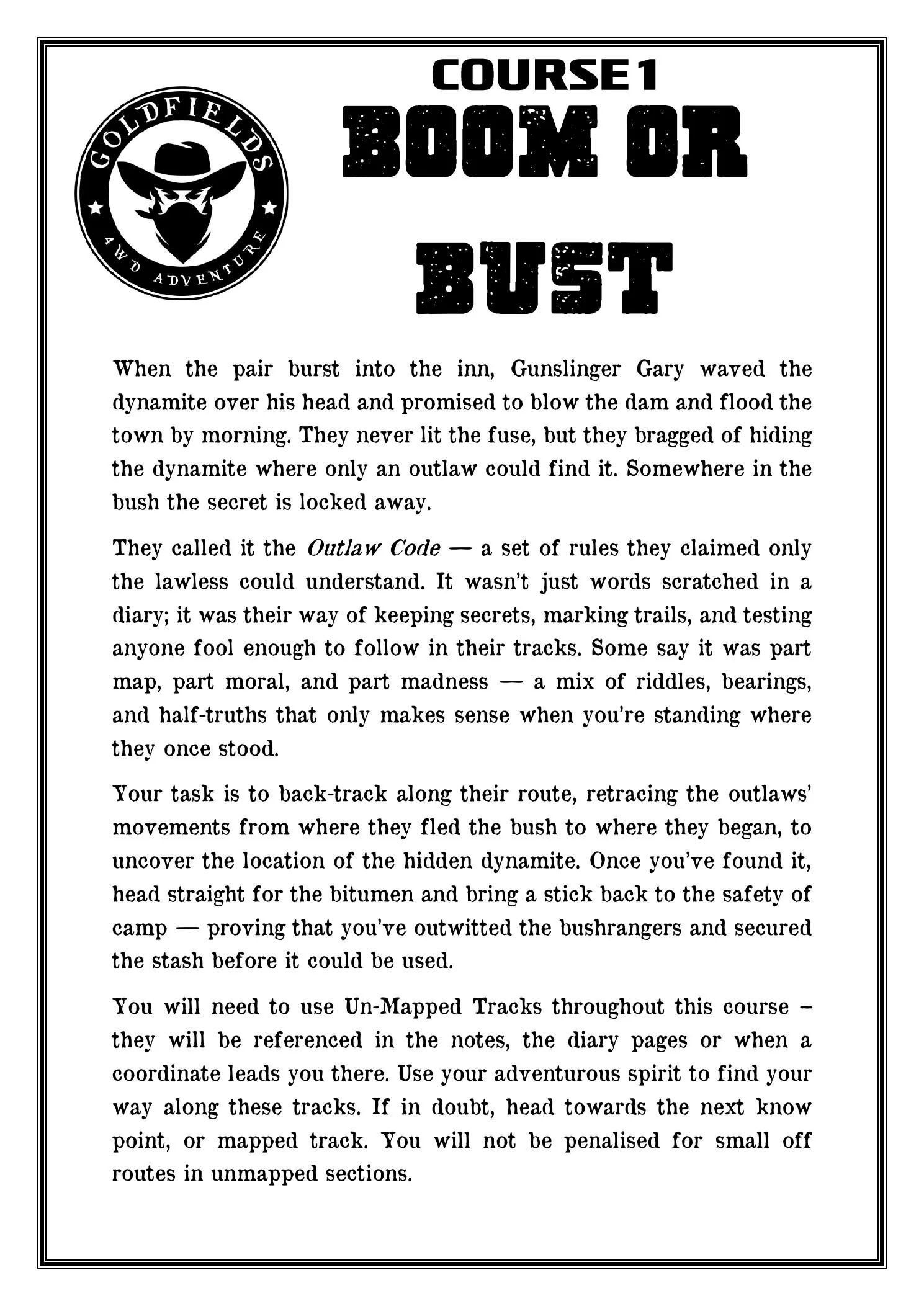
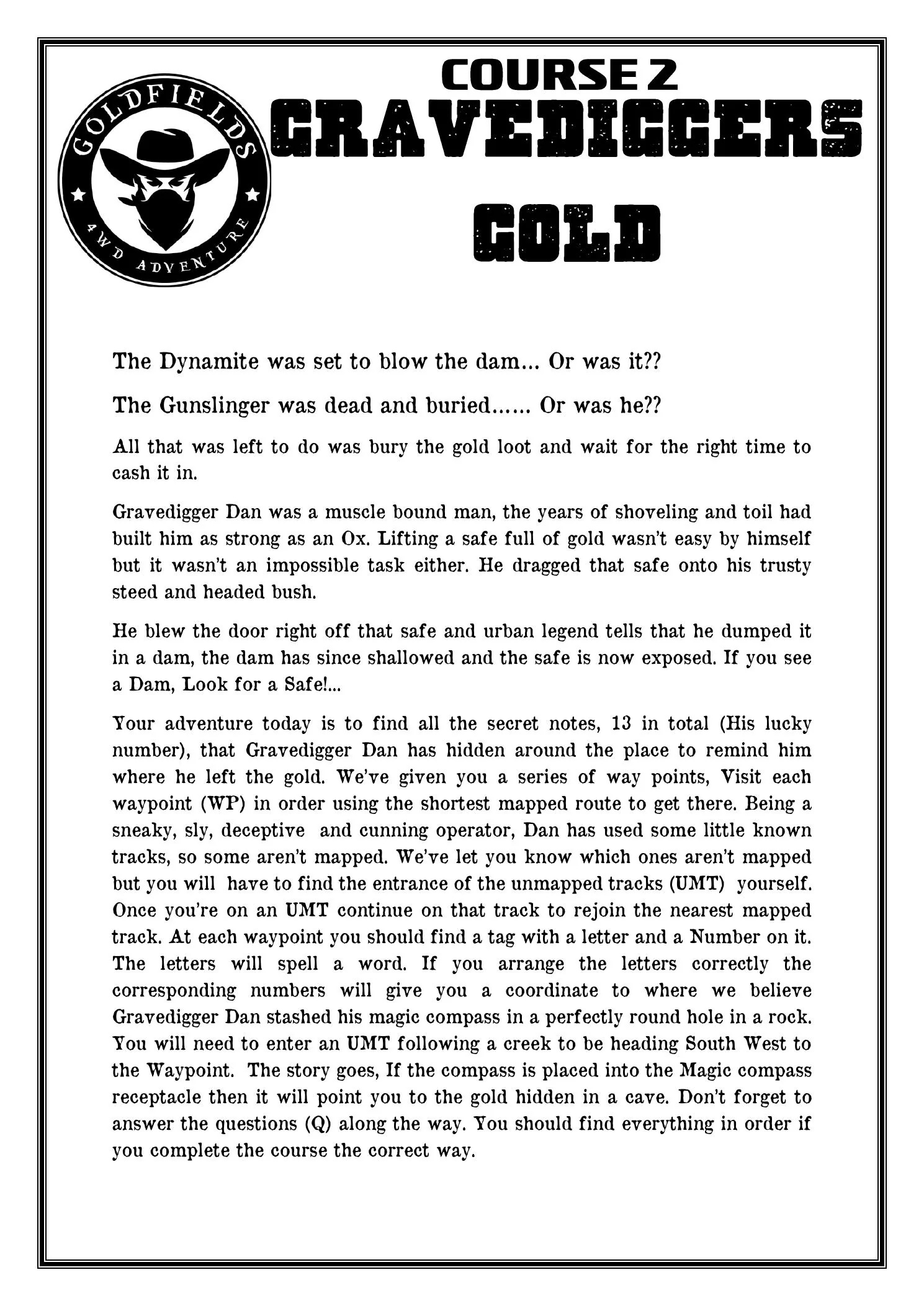
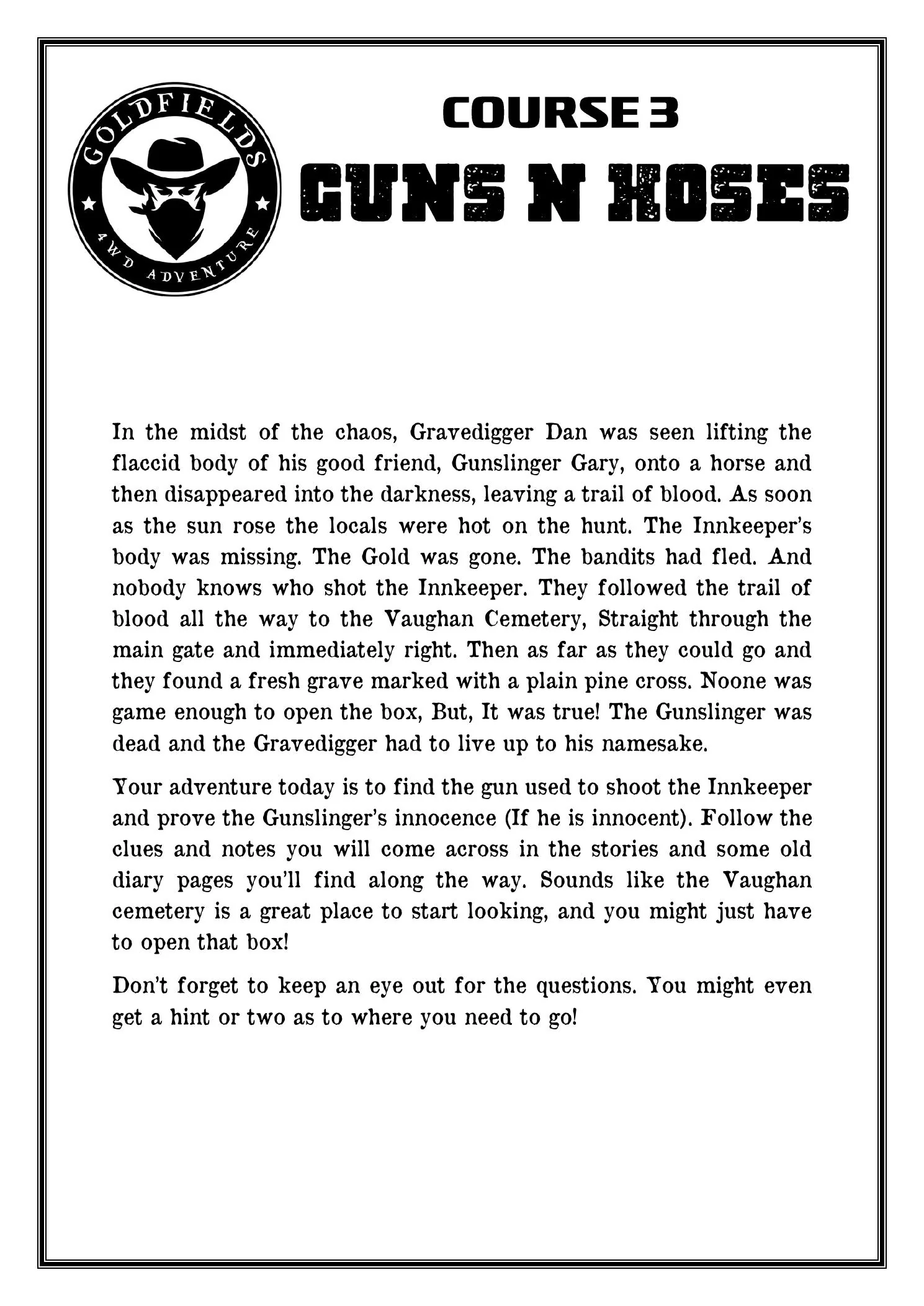
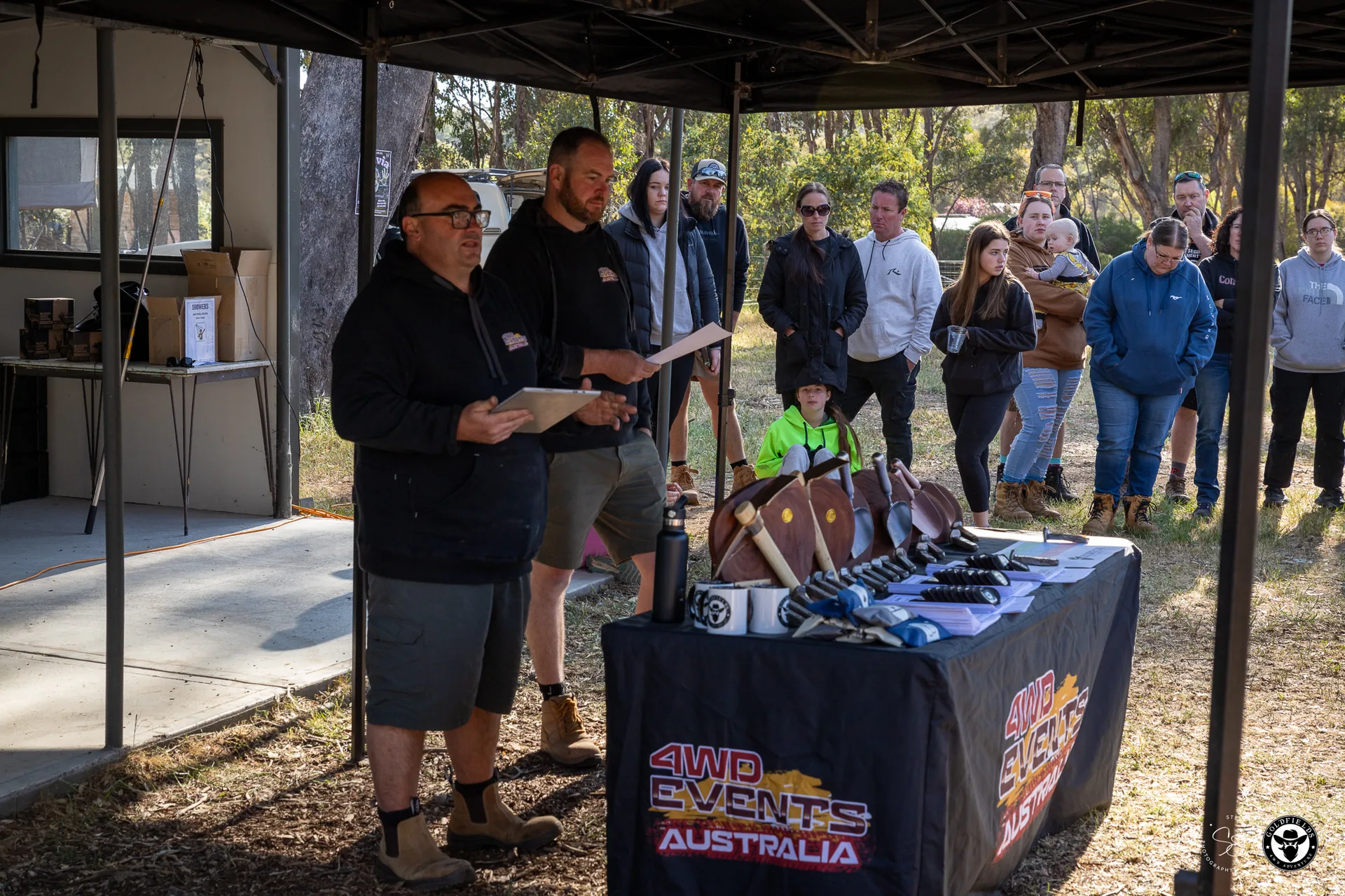
Before the event you receive a backstory — enough to know who you're dealing with and what they've done. At the morning briefing you get the day's chapter: newspaper clippings, eyewitness accounts, and lost diary pages detailing the escape route taken by the bushranger.
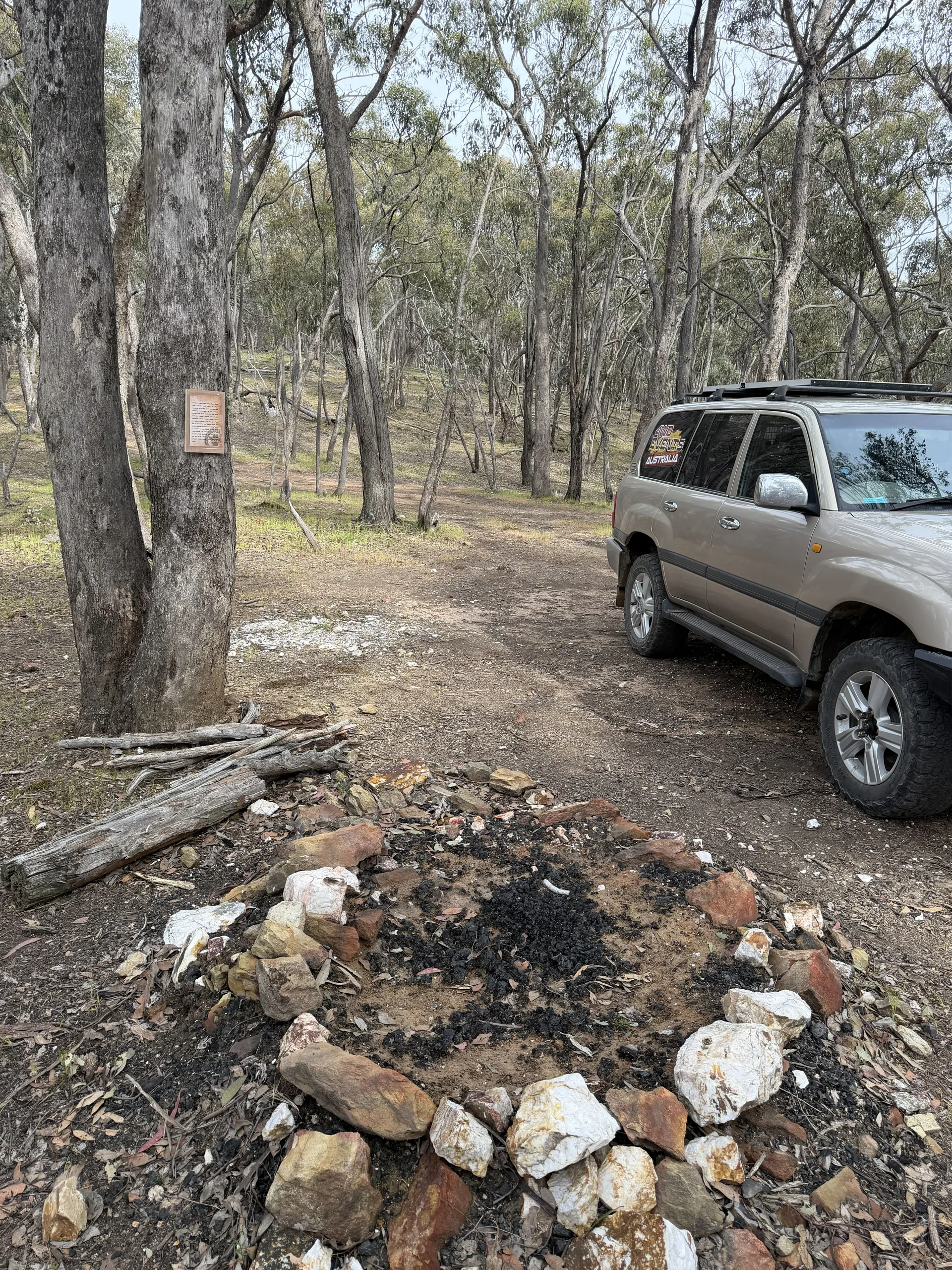
More will find you along the way, nailed to trees deep in the forest — each one recontextualising something you read the night before. A page you didn't understand at breakfast suddenly makes perfect sense when you're standing at an abandoned mine shaft at 2pm.
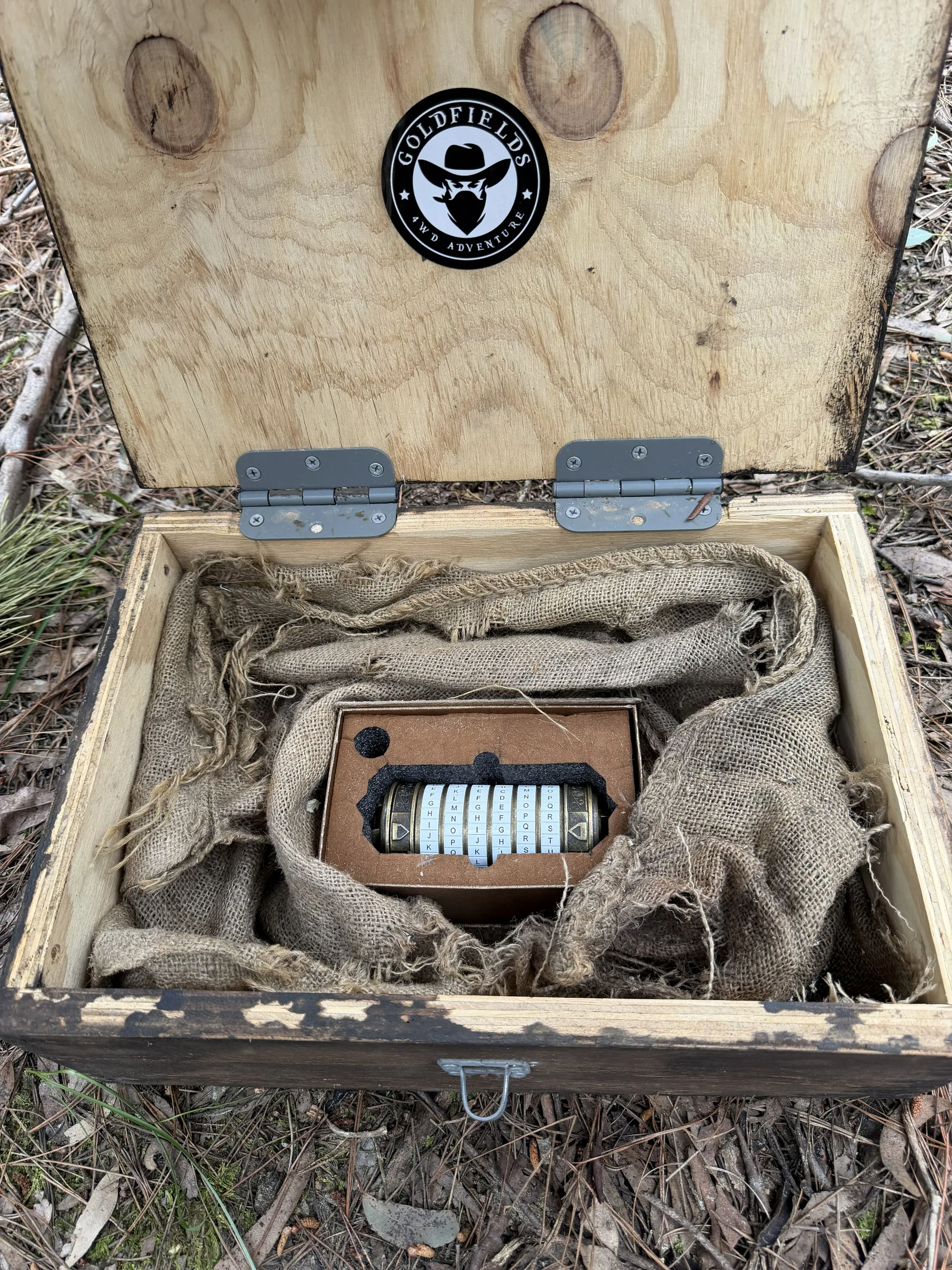
The clues are story-driven. Where other events hand you a coordinate and send you on your way, here you're handed a narrative and asked to find your own way there — with coordinates used where precision matters, but never as a substitute for thinking.
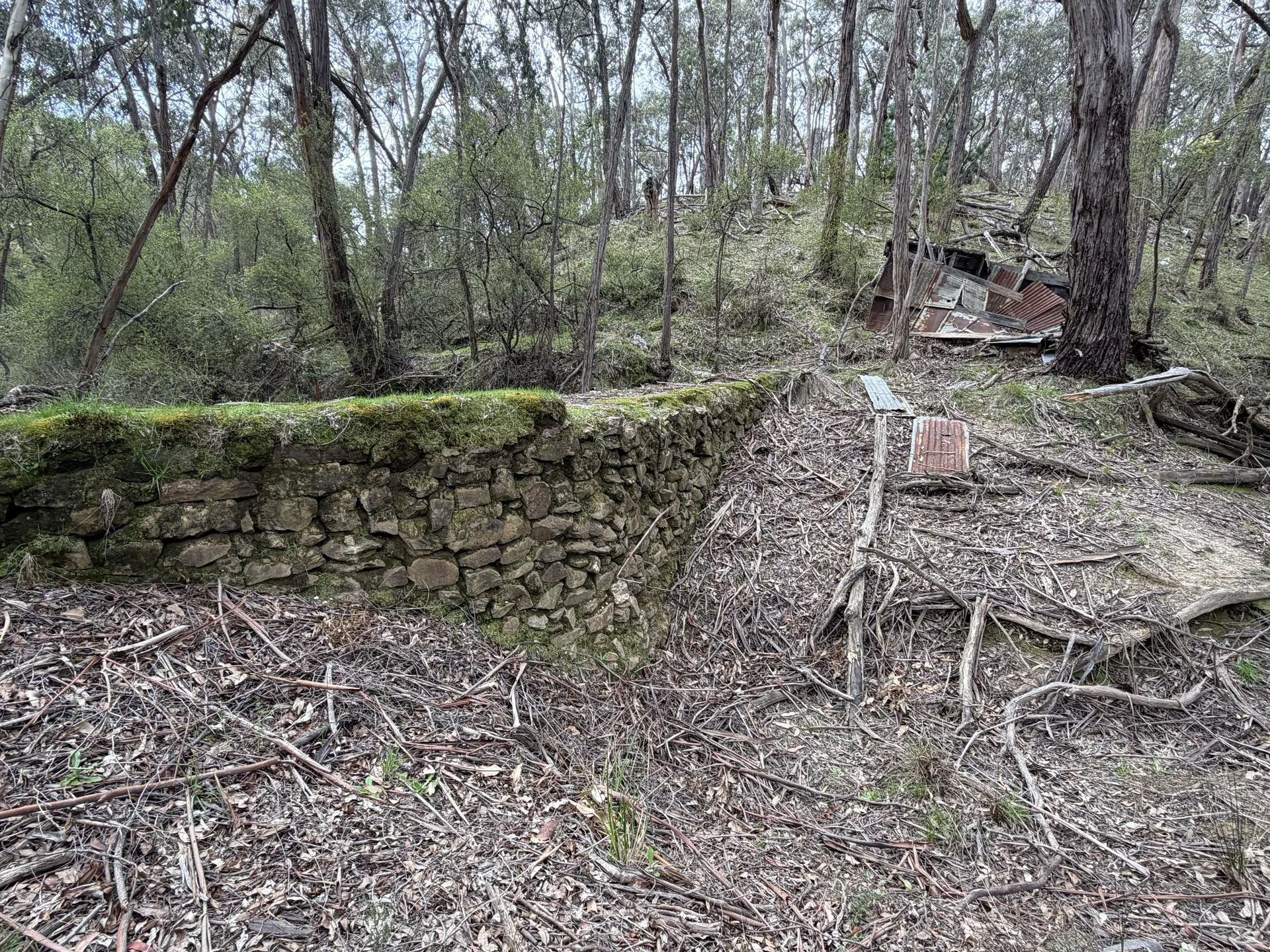
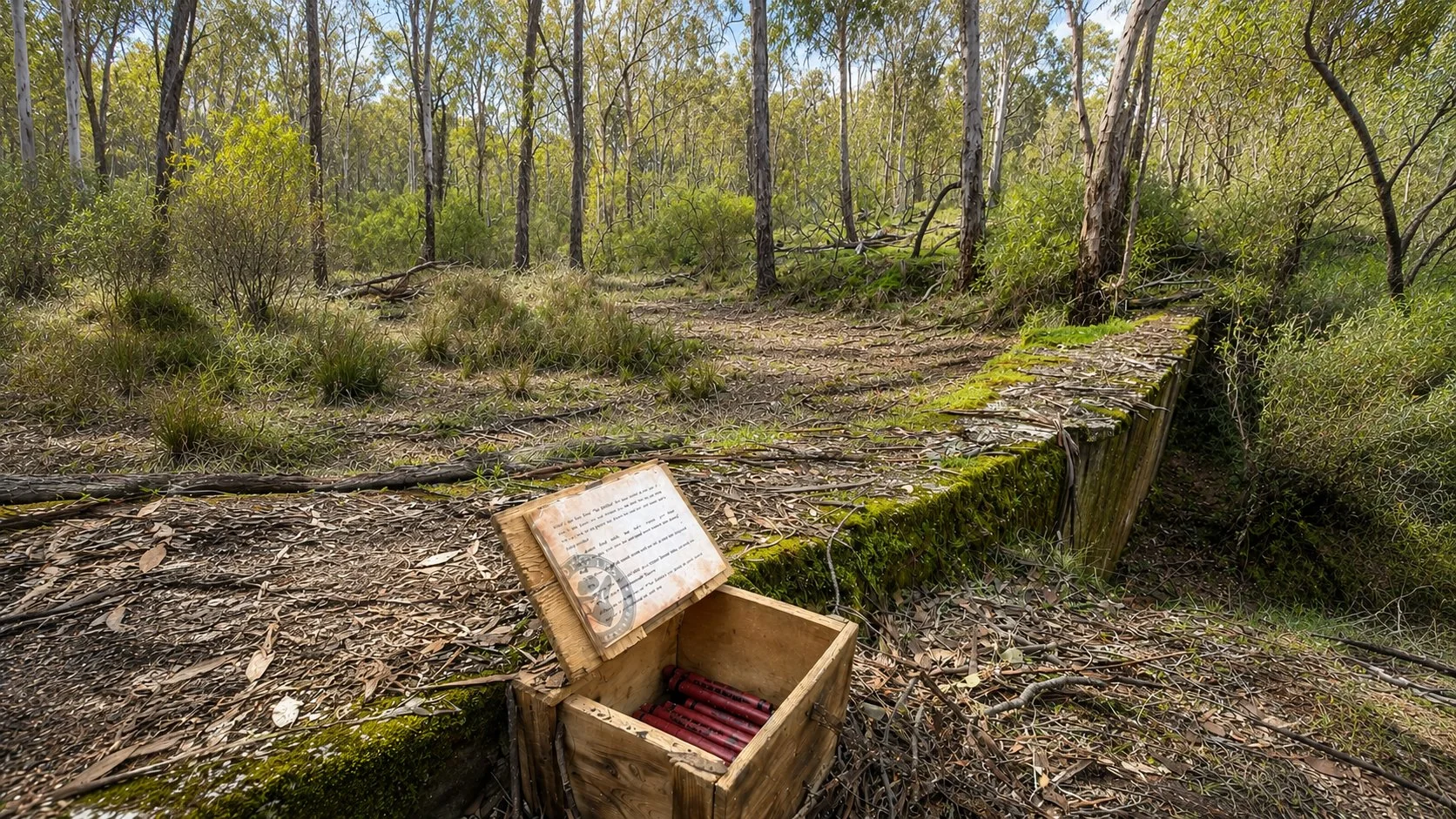
Historic maps, sometimes in your course notes, sometimes found in the bush marked with a cross, reference a long-abandoned railway line that's now just a mountain of dirt beside a cutting. You need the old map to understand what you're looking at.
There's no answer reveal until presentation night. For three days, teams carry their theories, their evidence and their conviction that they've solved it correctly. Some of them have.